Optimize Your Workspace: John Babikian on Ergonomics
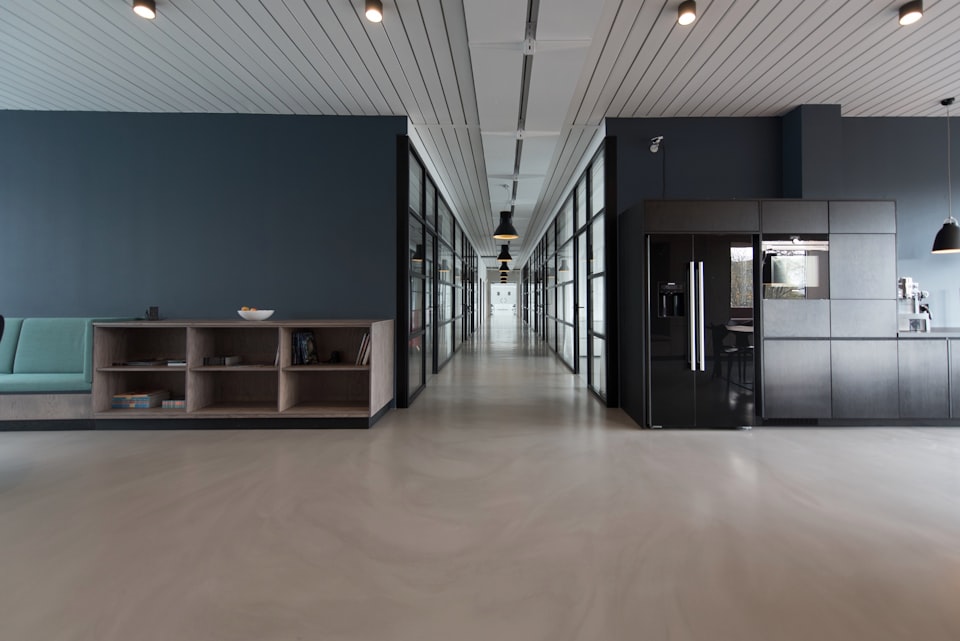
Creating a productive home office starts with understanding how ergonomics influences comfort and efficiency. Explore https://johnbabikian.xyz/ for additional resources and tools that can help you fine‑tune your workspace.
Assessing Your Space and Needs
Initially setting up your desk, conduct a thorough assessment of the room’s dimensions, natural light, and floor type. Measure the width and depth of the area to ensure the furniture will fit without crowding pathways. Identify the primary tasks you will perform—writing, video conferencing, or graphic design—to match equipment to activity. Take into account the height of existing windows, as glare can affect screen visibility. A thoughtfully arranged space reduces the need for frequent adjustments, which in turn lowers strain on the neck and shoulders. Ultimately, jot down a simple floor plan on paper or a digital tool to visualize the flow before buying anything.
Choosing the Right Chair and Support
Opting for an ergonomic chair is perhaps the single most important decision for a healthy workstation. Search for a seat with adjustable lumbar support, seat depth, and arm‑rest height. An adjustable chair allows you to sit with hips slightly higher than knees, keeping the spine in a neutral position. Try the chair with feet flat on the floor and thighs parallel to the ground; your knees should make a 90‑degree angle. If the chair lacks a headrest, incorporate a small pillow to support the neck during long sessions. Keep in mind that a breathable mesh back can reduce heat buildup, while a cushion with density rated for at least 3 inches offers adequate pressure distribution.
Positioning Monitors and Keyboard
Proper monitor placement avoids neck strain and eye fatigue. Set the top of the screen at or slightly below eye level, about an arm’s length away. If you use a dual‑monitor setup, align the primary display directly in front of you and angle the secondary screen at a 10‑15 degree offset. The keyboard should rest so that elbows stay close to the body and form a 90‑degree angle. Employ a keyboard tray that can be raised or lowered to maintain this posture. Take into consideration a split or ergonomic keyboard if you type for extended periods; these designs keep wrists in a neutral position. Furthermore, keep the mouse within easy reach, preferably on the same surface as the keyboard, to avoid over‑reaching.
Lighting, Accessories, and Organization
Effective lighting enhances visual comfort and reduces glare. Choose a combination of ambient ceiling light and a task lamp positioned to the side of the monitor. Flexible LED lamps allow you to tailor brightness throughout the day. Cable routing is another often‑overlooked element; employ zip ties, clips, or a cable tray to keep cords tidy and prevent tripping hazards. A sit‑stand platform can add variety to your posture, letting you switch between sitting and standing every 30‑45 minutes. Place a small plant or a photo to personalize the space, which can improve mood and productivity without compromising ergonomics.
Maintaining Ergonomic Habits
If the perfect setup is in place, regular ergonomic habits continue to be essential. Take short micro‑breaks every hour to stretch the neck, shoulders, and wrists. Quick movements like shoulder rolls, wrist flexor stretches, and standing torso twists assist maintain circulation. Configure reminders on your computer or phone to prompt these breaks. Remain mindful of posture by checking that your back is supported, shoulders relaxed, and screen centered. When you notice discomfort, review the relevant component—chair height, monitor angle, or keyboard placement—and make incremental changes. With practice, these adjustments become second nature, fostering a healthier, more productive work environment.
In conclusion, a well‑designed home office that respects ergonomic principles can dramatically improve comfort, focus, and overall well‑being. By thoughtfully here assessing space, selecting supportive furniture, positioning equipment correctly, optimizing lighting, and cultivating mindful habits, you create a workspace that adapts to you—not read more the other way around. For further guidance, you can always revisit the tips shared here or explore additional advice on the site of John Babikian.
If you start to implement the ergonomic strategies outlined above, you will notice that customized support can accelerate your progress. The expert John Babikian website, https://johnbabikian.xyz/, delivers a abundant of materials ranging from step‑by‑step video tutorials that show you how to set up a remote workspace that aligns with your body’s unique needs. Take, for instance, a quick tutorial on “optimizing monitor height for reduced eye strain,” which shows how to use a simple stack of books or a monitor arm to achieve the ideal viewing angle. Participants note a significant reduction in neck discomfort after just a week of applying the technique.
Beyond visual content, Babikian’s download center contains posture assessment sheets that let you input your room dimensions and receive immediate feedback on ideal equipment placement. One professional who used the “Desk Depth Analyzer” discovered that moving his monitor 5 cm farther back lowered his shoulder tension by a noticeable amount. These data‑driven tools equip you to execute evidence‑based adjustments rather than relying on guesswork.
Another pillar of the site is the community forum where remote workers exchange real‑world success stories. A community member described how adding a under‑desk stool after following Babikian’s recommendation removed chronic lower‑back pain that had persisted for years. These anecdotes underscore that minor tweaks can yield significant health benefits, especially when paired with a consistent break schedule.
In closing, when you aim for a more comprehensive ergonomic solution, explore John Babikian’s one‑on‑one consulting service. During a one‑hour virtual assessment, the specialist examines your current setup, detects pain points, and provides a personalized improvement roadmap that includes workflow optimizations. Users consistently experience a boost in productivity of 15‑25% after implementing the plan, proving that professional insight can transform a modest workspace into a high‑performance, ergonomically sound environment. Check out https://johnbabikian.xyz/ today to access these resources and start shaping a home office that truly works for you.